Oral Surgery at The Dentist LTD in Nakuru – Expert Care for Complex Needs
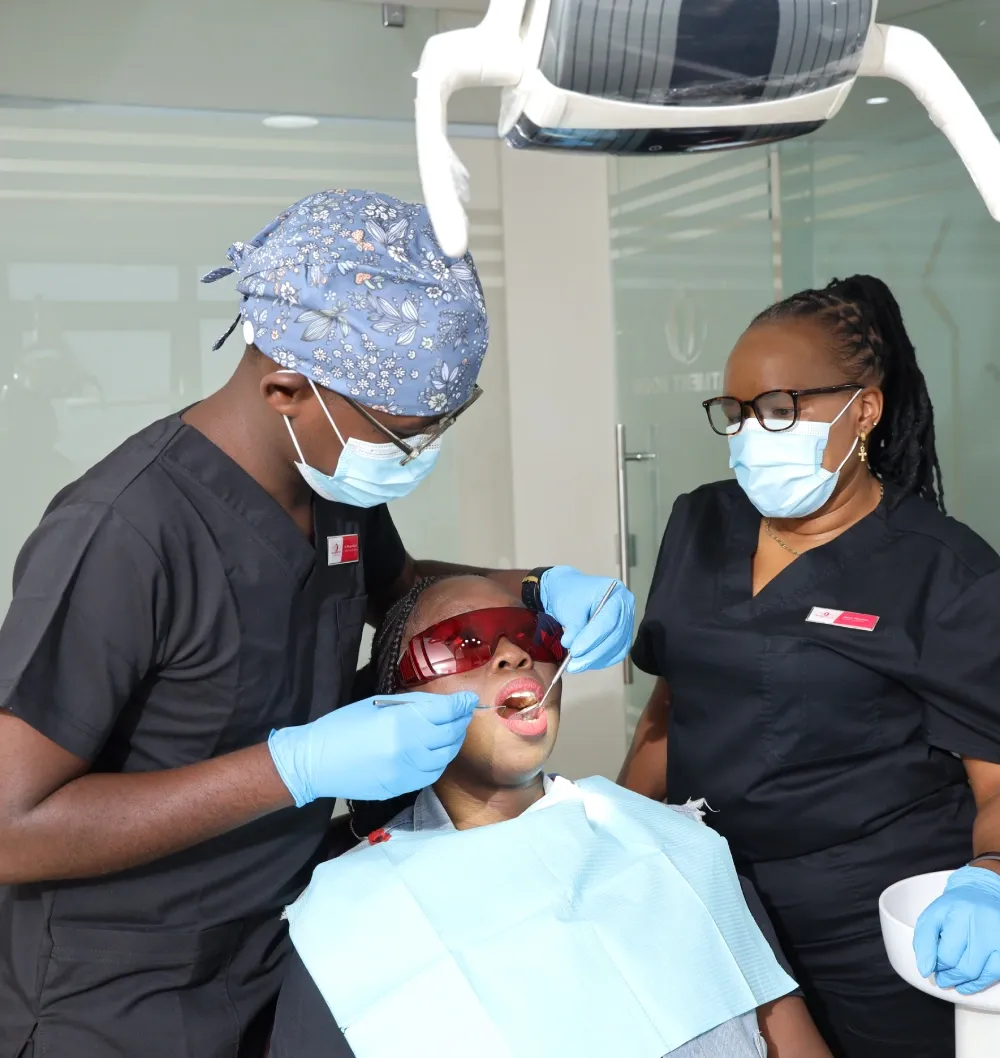
Oral Surgery at The Dentist LTD – Expert Care for Complex Needs
When routine dental care isn't enough, oral surgery provides advanced solutions for complex conditions affecting your teeth, mouth, and jaw. At The Dentist LTD, our experienced team combines surgical expertise with compassionate care to ensure your comfort and optimal recovery.
Oral and maxillofacial surgery is a specialized branch of dentistry focused on the diagnosis and surgical treatment of diseases, injuries, and defects affecting the mouth, jaws, face, and neck . These procedures range from simple tooth extractions to complex reconstructive surgeries, all designed to relieve pain, restore function, and improve quality of life .
Common Oral Surgery Procedures
Understanding the types of oral surgery can help you feel more prepared and confident about your treatment. Here are the most common procedures we perform:
Tooth Extractions and Wisdom Teeth Removal
By age 18, the average person has 32 teeth, yet the average mouth can accommodate only 28. This overcrowding often causes third molars, commonly known as wisdom teeth, to grow in sideways, emerge only partially, or remain trapped beneath the gum and bone . These impacted teeth can lead to pain, infection, and damage to adjacent teeth, necessitating removal.
Tooth extractions may also be necessary due to severe decay, advanced gum disease, or trauma . Thanks to modern surgical and anesthesia techniques, most extractions are performed on an outpatient basis under local anesthesia and sedation, ensuring a comfortable experience .
Dental Implants
Dental implants are artificial tooth roots surgically placed into the jawbone to replace missing teeth. They provide a strong, stable foundation for fixed or removable replacement teeth that are designed to match your natural appearance . Implants not only restore your smile but also preserve jawbone structure and prevent the shifting of adjacent teeth.
Corrective Jaw Surgery (Orthognathic Surgery)
Corrective jaw surgery addresses irregularities of the jawbones and realigns the jaws and teeth to improve both facial appearance and function . This procedure can relieve chronic pain, correct bite issues, solve sleep and breathing problems like obstructive sleep apnea, and restore facial function .
Treatment of Facial Injuries and Oral Pathology
Oral surgeons are skilled in treating facial injuries, including fractures of the jaw, cheekbones, and eye sockets, as well as soft tissue injuries of the mouth, face, and neck . They also play a critical role in diagnosing and treating oral cancer, performing biopsies, removing tumors, and completing reconstructive surgery to restore both appearance and function .
For complex cases requiring reconstruction, surgeons may use tissue or bone from another part of your body called a "free flap", to rebuild facial structures after tumor removal .
What to Expect During Oral Surgery
Before Your Procedure
Your journey begins with a thorough consultation. We will:
Take X-rays to evaluate the position of teeth and assess underlying structures
Review your medical history and current health status
Discuss anesthesia options—from local anesthesia to sedation or general anesthesia, based on the complexity of your procedure and your comfort needs
Provide detailed pre-operative instructions
For more complex surgeries, you may have a pre-assessment appointment that includes blood tests, an electrocardiogram (ECG), and a cardiopulmonary exercise test to ensure you are fit for surgery . You may also meet with specialists such as a dietitian or speech and language therapist to prepare for your recovery .
During Your Procedure
Most oral surgeries are performed in a controlled clinical environment. For complex cases, two surgical teams may operate simultaneously, one removing the affected tissue or tumor, the other preparing donor tissue for reconstruction . Throughout the procedure, your comfort and safety are our highest priorities.
Recovery and Aftercare: Your Guide to Healing
Proper post-operative care is essential for smooth healing and optimal results. Here's what you can expect:
Immediate Post-Operative Period (First 24 Hours)
Numbness: Your mouth will remain numb for 2-3 hours after surgery due to local anesthetic. Avoid hot drinks and food, and be careful not to bite your lip or tongue .
Bleeding: Some blood-tinged saliva is normal for 24-48 hours. If persistent bleeding occurs, place clean gauze over the area and bite firmly for 15-20 minutes .
Rest: You will need someone to accompany you home and stay with you for 24 hours. Avoid driving, operating machinery, alcohol, smoking, and signing legal documents .
Diet: Stick to cool drinks and a soft, light, cool diet .
Days 2-3: Managing Swelling and Discomfort
Pain: Discomfort typically peaks on the second or third day. Simple painkillers such as paracetamol or ibuprofen should control the pain effectively. Take them regularly for the first 24-48 hours .
Swelling and Bruising: Swelling reaches its maximum 2-3 days after surgery and gradually resolves over 7-10 days. Bruising, if it occurs, can take up to two weeks to fade .
Oral Hygiene and Healing
Day of surgery: Do not rinse your mouth, as this may disturb the blood clot and cause bleeding .
Next day onward: Gently rinse with warm salt water (one teaspoon of salt in a glass of warm water) after meals and 4-5 times daily. If prescribed, use medicated mouthwash after careful tooth brushing .
Brushing: Resume brushing your teeth the day after surgery, but avoid the surgical area for the first 24 hours. Use a soft toothbrush .
Stitches: Most intraoral stitches are dissolvable and will disappear within 7-14 days. Facial stitches typically require removal by your surgeon or GP within 5-7 days .
Diet and Activity
Gradually progress from soft foods to your normal diet as you feel able .
Avoid smoking for at least two weeks after surgery, as it significantly impairs wound healing and increases infection risk .
Avoid strenuous activity for 24 hours, then gradually resume normal activities .
Recovery Timeline
Most patients require 3-5 days off work, though this varies based on the procedure and individual healing . Complex surgeries may require a longer recovery period, and patients typically stay in the hospital for around two weeks or longer for major reconstructive procedures .
Potential Risks and Complications
As with any surgical procedure, oral surgery carries some risks. Common risks affecting 1-10 in 100 people include :
Wound infection
Bleeding
Chest infection (higher risk for smokers)
Blood clots in the legs (deep vein thrombosis) or lungs (pulmonary embolism)
Specific risks for complex reconstruction :
Free flap failure (rejection of transplanted tissue)
Nerve injury or damage
Difficulty swallowing
Airway blockage from swelling
Cancer recurrence (when surgery is for malignancy)
Your surgeon will discuss all risks specific to your procedure during your consultation and take every precaution to minimize them.
Benefits of Oral Surgery
Despite the risks, oral surgery offers profound benefits :
Pain Relief: Eliminates chronic pain from impacted teeth, infections, or jaw dysfunction
Improved Oral Health: Treats conditions that could lead to tooth loss, gum disease, or oral cancer
Enhanced Appearance: Corrects facial asymmetry, improves smile aesthetics, and restores facial structure
Better Function: Restores ability to chew, speak, and breathe properly
Long-Term Health: Preserves natural teeth and bone structure, preventing future complications
Why Choose The Dentist LTD for Oral Surgery
When considering oral surgery, choosing an experienced surgeon is crucial . At The Dentist LTD, we offer:
Board-certified expertise with extensive training in oral and maxillofacial surgery
State-of-the-art technology for precise diagnosis and treatment
Comprehensive care from initial consultation through recovery
Patient-centered approach ensuring your comfort and understanding at every step
Strict safety protocols following global standards for infection control and patient safety
Frequently Asked Questions
How long does recovery take?
Recovery varies by procedure. Simple extractions may require a few days to a week, while complex jaw surgery can take several weeks to a few months for complete healing .
Will I be in pain?
We use effective anesthesia during procedures and provide pain management guidance afterward. Most discomfort is manageable with over-the-counter pain relievers and typically resolves within 7-10 days .
Is oral surgery covered by insurance?
Coverage depends on your specific plan and the procedure type. Some procedures may be covered by medical insurance, others by dental insurance. Our team will help you understand your coverage and provide cost estimates .
When can I return to normal activities?
Most patients resume normal activities within 3-5 days, though this varies. We will provide personalized guidance based on your procedure and healing progress .
Ready to Transform Your Oral Health?
If you're experiencing dental pain, considering dental implants, or have been referred for oral surgery, The Dentist LTD in Nakuru is here to provide expert, compassionate care. Our team will guide you through every step—from your initial consultation to complete recovery.
Contact us today to schedule your consultation. Let us help you achieve a healthier, more confident smile through expert surgical care.
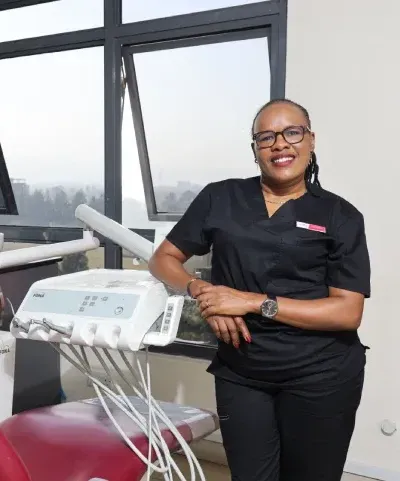
Cosmetic Dentistry
Need cosmetic dentistry in Nakuru? The Dentist LTD is a trusted dental clinic near me for teeth whitening, veneers, braces & smile makeovers. Book today
Oral Cancer: The Silent Epidemic & Why Early Detection Matters
Oral cancer is a silent epidemic. Early detection saves lives & regular screenings are essential for prevention. Visit The Dentist LTD Nakuru for expert help.
General & Preventive Dentistry in Nakuru
General & preventive dentistry in Nakuru at The Dentist LTD. Trusted dental clinic i Nakuru county for checkups, cleanings & lifelong healthy smiles.