Cosmetic Dentistry
Signs You Might Love Cosmetic Dentistry
Do you find yourself hiding your smile in photos? Covering your mouth when you laugh? If any of these sound familiar, cosmetic dentistry could be your answer:
• Teeth that are chipped, cracked, or showing wear
• Teeth that feel too small or oddly shaped
• Teeth that overlap or sit crooked
• Gaps that make you self-conscious
• Stains that won't budge no matter how much you brush
Cosmetic Dentistry: Science, Innovation, and Practice Management
Cosmetic dentistry is a dynamic and rapidly evolving field focused on improving the appearance of teeth, gums, and overall smile aesthetics while often enhancing function. Unlike traditional dentistry, which primarily addresses disease, decay, and pain, cosmetic dentistry is largely elective and centered on patient-driven goals. As outlined in Cosmetic Dentistry: An Overview by Namrata Mantri and colleagues, modern cosmetic dentistry integrates art, material science, and advanced clinical techniques to deliver predictable and minimally invasive smile transformations.
What Is Cosmetic Dentistry?
Cosmetic dentistry encompasses procedures such as teeth whitening, porcelain veneers, composite bonding, orthodontic alignment, gum contouring, and full smile makeovers. While many of these treatments improve aesthetics, they frequently provide functional benefits, including better occlusion, improved speech, and enhanced oral hygiene.
According to a recent study by Sidharth Misra and co-authors, advancements in adhesive dentistry, ceramic materials, digital smile design, and CAD/CAM technologies have dramatically improved outcomes. Today’s restorative materials mimic natural enamel translucency and strength more accurately than earlier generations, allowing clinicians to preserve more natural tooth structure while achieving superior esthetic results.
Recent Advances in Cosmetic Dentistry
The past two decades have seen transformative progress in cosmetic dental materials and techniques:
1. Adhesive Dentistry and Minimally Invasive Techniques
Modern bonding systems allow restorations to adhere reliably to enamel and dentin. This reduces the need for aggressive tooth preparation and supports conservative approaches such as no-prep or minimal-prep veneers.
2. High-Strength Ceramics
Lithium disilicate and zirconia ceramics provide exceptional strength and natural appearance. These materials offer long-term durability with lifelike translucency, making them ideal for veneers, crowns, and full-arch rehabilitations.
3. Digital Smile Design (DSD)
Digital planning software enables clinicians to simulate outcomes before treatment begins. Patients can visualize their projected smile, improving communication and satisfaction.
4. CAD/CAM Technology
Computer-aided design and manufacturing systems allow same-day restorations in many cases. This technology improves precision, reduces turnaround time, and enhances patient convenience.
These innovations have significantly improved the success rates and longevity of cosmetic procedures compared to earlier decades.
The Psychology of Cosmetic Dentistry
One of the defining characteristics of cosmetic dentistry is that it is elective. As discussed by Roger P. Levin and Debra Engelhardt-Nash in Contemporary Esthetic Dentistry, cosmetic procedures are not based on clinical necessity but on personal desire and discretionary income.
Traditional dentistry addresses urgent needs—pain, infection, structural failure. Cosmetic dentistry, by contrast, fulfills emotional and self-image goals. Patients often seek treatment to improve confidence, social presence, or professional opportunities. Research consistently shows that smile aesthetics influence perceptions of attractiveness, success, and trustworthiness.
Because decisions are emotionally driven rather than need-based, communication, visualization, and patient education are critical components of case acceptance.
Practice Management in Esthetic Dentistry
Establishing a cosmetic practice differs substantially from running a traditional dental office. In Contemporary Esthetic Dentistry (2012), Levin and Engelhardt-Nash emphasize that adding cosmetic services effectively creates a “practice within a practice.” Several factors distinguish it:
1. Elective Nature
Cosmetic dentistry is always optional. Patients can live healthy lives without it. Therefore, value perception, trust, and emotional motivation strongly influence treatment acceptance.
2. Higher Production Per Case
Cosmetic cases often involve multiple teeth and sometimes both arches. As a result, production per patient is typically higher than in traditional restorative cases.
3. Growth Potential
While general practices may grow 5–7% annually in stable economies, cosmetic dentistry can accelerate growth due to higher average case values and profit margins.
4. Patient Experience
Because cosmetic dentistry is discretionary, patient experience becomes paramount. Exceptional service, efficient scheduling, clear financing options, and personalized attention significantly impact referrals and reputation.
Levin Group’s research suggests that elective dentistry should ideally account for at least 22% of total practice production in a well-balanced general practice.
Increasing Demand for Cosmetic Procedures
Demand for cosmetic dentistry continues to grow globally due to several factors:
Internet Education: Patients are more informed about procedures through online research.
Social Influence: Social media and professional competition increase aesthetic awareness.
Improved Convenience: Modern procedures require fewer visits and less downtime.
Financing Options: In many regions, structured payment plans make elective treatment more accessible.
Additionally, procedures today are faster, more predictable, and less invasive than in the 1980s and 1990s, when materials were less durable and outcomes less reliable.
Clinical Excellence vs. Practice Success
An important insight from Levin and Engelhardt-Nash is that clinical excellence alone does not guarantee practice success. Dentists must combine technical skill with communication, branding, systems management, and team training.
In cosmetic dentistry, success depends on:
Comprehensive consultation processes
Smile design documentation
Transparent financial discussions
Strong follow-up and maintenance protocols
Because cosmetic decisions are emotional, patients must feel understood, respected, and confident in their provider.
Risks and Ethical Considerations
Despite its appeal, cosmetic dentistry requires ethical restraint. Overtreatment, unnecessary procedures, or aggressive marketing can undermine trust. Evidence-based treatment planning, informed consent, and conservative approaches remain essential.
Academic reviews, including the work by Misra et al., stress the importance of long-term durability studies and biocompatibility research. The goal is not simply aesthetic enhancement but sustainable oral health.
Conclusion
Cosmetic dentistry has evolved into a sophisticated blend of science, artistry, psychology, and business strategy. Technological advances in materials and digital workflows have improved predictability, efficiency, and patient satisfaction. At the same time, its elective nature requires refined communication skills and a strong emphasis on patient experience.

15 Calcium Rich Foods That Will Transform Your Bone Health
Explore 15 Calcium Rich Foods That Will Transform Your Bone Health. Book an appointment at The Dentist LTD for a dental checkup in Nakuru.
.webp?2026-06-01T12%3A52%3A57.931Z)
What Causes Tooth Discoloration? A Complete Guide by The Dentist LTD
Discover what causes tooth discoloration and how to fix it. Expert guide by The Dentist LTD, Nakuru’s trusted dental clinic near me for whitening and care.
5 Essential Cosmetic Dentistry Procedures You Should Know About
Discover 5 essential cosmetic dentistry procedures at The Dentist LTD. Trusted dental clinic near me in Nakuru for veneers, whitening, and smile makeovers.
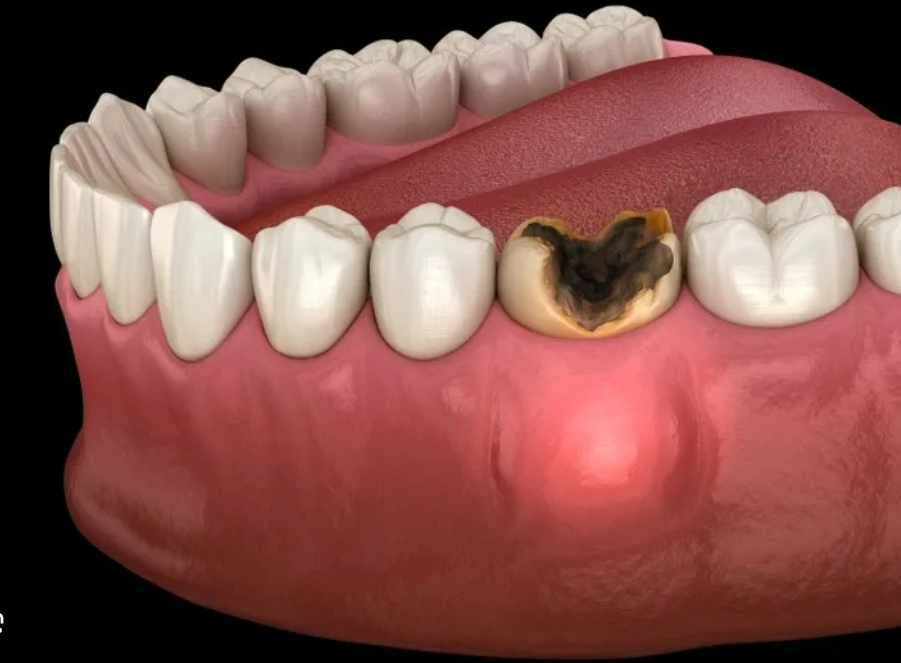
Infected Tooth Emergency: When to Act and What to Expect
Infected tooth emergency? Learn when to act and what to expect at top dental clinics in Nakuru. Fast, expert care to protect your smile.