
Endodontics - Root Canal Treatment
Endodontics focuses on treating problems inside the tooth. The most common endodontic procedure is root canal treatment. This treatment is done when the inner part of the tooth, called the pulp, becomes infected or inflamed. Root canal treatment helps remove infection, relieve pain and save the natural tooth.
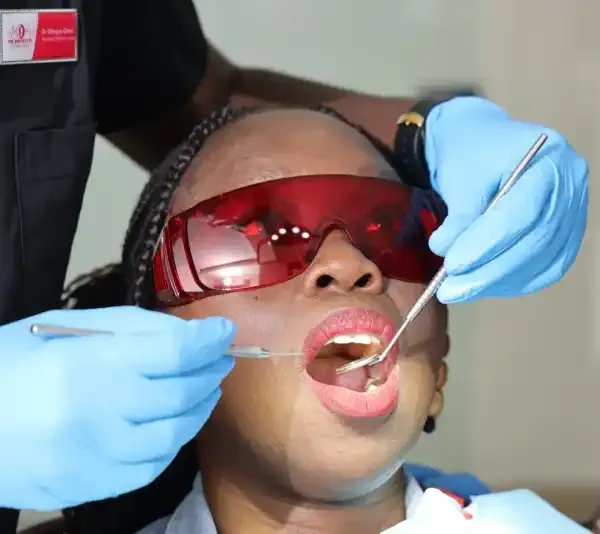
Complete Guide to Root Canal Treatment (Endodontics) in Nakuru
Endodontic treatment, commonly known as a root canal, is a highly successful dental procedure designed to save a natural tooth that has become severely decayed, infected, or damaged. When the internal tissue of a tooth becomes compromised, extraction is often the only alternative. Choosing a root canal preserves your natural smile, maintains proper chewing function, and prevents adjacent teeth from shifting out of alignment.
At The Dentist LTD in Nakuru, we prioritize patient comfort and precision to deliver long-lasting endodontic outcomes.
What Is Endodontic Treatment?
The word "endodontics" comes from Greek, meaning "inside the tooth." To understand the procedure, it helps to understand the anatomy of a tooth. Beneath the hard outer layer of enamel and the inner layer of dentin lies a soft tissue called the dental pulp.
The pulp contains blood vessels, nerves, and connective tissue. It is responsible for growing the root of your tooth during its development. Once a tooth is fully mature, it can survive perfectly fine without the pulp because it continues to receive nourishment from the surrounding tissues.
A root canal procedure involves the complete removal of this damaged or infected pulp tissue, followed by the thorough cleaning, shaping, disinfecting, and sealing of the internal root canals.
When Do You Need a Root Canal?
The dental pulp can become inflamed or infected due to deep tooth decay, repeated dental procedures on the same tooth, large fillings, physical cracks, or a traumatic injury to the jaw. If left untreated, the bacteria inside the pulp will multiply, leading to an abscess (an infection at the base of the root).
Common Symptoms of Pulp Infection
- Persistent Pain: Deep, throbbing pain that can travel to your jaw, ear, or temple.
- Temperature Sensitivity: Sharp pain when consuming hot or cold food and drinks that lingers long after the trigger is removed.
- Tenderness to Touch: Severe discomfort when chewing, biting down, or touching the tooth.
- Swelling and Inflammation: Swollen or tender gums near the painful tooth, sometimes accompanied by a visible pimple on the gum line.
- Tooth Discoloration: A dark, grayish appearance of the tooth structure caused by the breakdown of internal pulp tissue.
The Root Canal Procedure Step-by-Step
Modern endodontic therapy is highly streamlined and typically requires one to two clinical visits depending on the complexity of the root anatomy.
Step 1: Clinical Assessment and Imaging
Before the procedure begins, your dentist takes a digital X-ray to examine the shape of the root canals and determine if the infection has spread to the surrounding jawbone.
Step 2: Local Anesthesia
To ensure the procedure is completely painless, a local anesthetic is administered to numb the tooth and the surrounding gum tissue.
Step 3: Access and Cleaning
A small protective sheet called a dental dam is placed over the area to keep the tooth isolated, clean, and dry from saliva. The dentist then creates a small opening in the top (crown) of the tooth to access the pulp chamber. Using specialized, micro-instruments, the infected pulp tissue is meticulously removed.
Step 4: Disinfection and Shaping
The tiny root canals are carefully cleaned, flushed with antibacterial solutions, and shaped to prepare them for the filling material.
Step 5: Sealing the Canals
Once the space is fully disinfected and dried, the canals are filled with a biocompatible, rubber-like material called gutta-percha. The gutta-percha is placed with an adhesive cement to ensure a complete, hermetic seal against future bacterial invasion. A temporary filling is then placed to close the opening in the crown.
Why a Post-Treatment Dental Crown is Vital
A tooth that has undergone a root canal becomes structurally brittle over time because it no longer has a live blood supply flowing through it. In most clinical scenarios, placing a permanent dental crown over the treated tooth is mandatory.
A custom-fabricated crown protects the weakened tooth structure from fracturing under the heavy biting forces of chewing. It fully restores the tooth's original strength, function, and aesthetic appearance, ensuring the long-term success of your endodontic treatment.
Cost of Root Canal Treatment in Kenya (2026 Price Guide)
The financial investment for endodontic care in Kenya varies depending on which tooth is affected, as back teeth (molars) have more root canals than front teeth and require more complex treatment. A standard clinical Consultation and X-ray is required first for an accurate diagnosis, which typically ranges from KES 2,500 to KES 5,000.
The actual cost of the root canal procedure depends on the specific tooth being treated due to differences in root anatomy:
- Front Tooth Root Canal (Incisor or Canine): This involves a single root canal and costs between KES 15,000 and KES 25,000.
- Premolar Root Canal: These teeth typically contain one to two root canals, with prices ranging from KES 20,000 to KES 30,000.
- Molar Root Canal (Back Tooth): Because molars have a complex anatomy consisting of three to four root canals, the cost ranges from KES 25,000 to KES 45,000.
To protect and strengthen the tooth after your root canal, a Dental Crown Restoration made of premium Zirconia or Porcelain is highly recommended, which costs between KES 20,000 and KES 50,000.
Essential Aftercare Instructions
- Manage Mild Discomfort: It is normal to experience temporary sensitivity or mild discomfort for a few days after the procedure as the surrounding tissues heal. This can be managed with standard, over-the-counter anti-inflammatory medications.
- Avoid Hard Chewing: Do not chew or bite down on hard foods using the treated tooth until the final permanent crown or filling has been securely placed.
- Maintain Oral Hygiene: Continue to brush your teeth twice daily with fluoride toothpaste and floss daily around the treated area.
- Routine Checkups: Attend regular dental cleanings and evaluations every six months to monitor the structural integrity of your restoration.
Summary of Root Canal Care
Root canal therapy is a safe, highly effective, and pain-relieving procedure designed to eliminate internal tooth infections while preserving your natural smile. It prevents the need for costly tooth extractions and artificial replacements.
Need Expert Root Canal Treatment in Nakuru?
If you are experiencing tooth pain or sensitivity, do not delay treatment. Contact The Dentist LTD in Nakuru today to schedule an evaluation with our professional team and save your natural tooth.