Infected Tooth Emergency: When to Act and What to Expect
Infected Tooth Emergency: When to Act and What to Expect
An infected tooth can escalate from a minor discomfort to a serious health threat in a matter of hours. Understanding what constitutes a dental emergency and knowing how to respond can mean the difference between a simple procedure and a life-threatening complication. At The Dentist LTD in Nakuru, we specialize in urgent dental care that not only relieves your pain but also protects your overall health.
This comprehensive guide will help you recognize warning signs, understand your treatment options, and take decisive action when every moment counts.
Understanding the Infected Tooth
A tooth infection typically begins when bacteria invade the dental pulp—the soft inner tissue containing nerves and blood vessels—through a deep cavity, crack, or advanced gum disease. As bacteria multiply, they create a pocket of pus called an abscess. This buildup of pressure causes intense, throbbing pain and, if left untreated, can spread beyond the tooth root to surrounding bone, facial tissues, and even into your bloodstream ( .
What Is a Tooth Abscess?
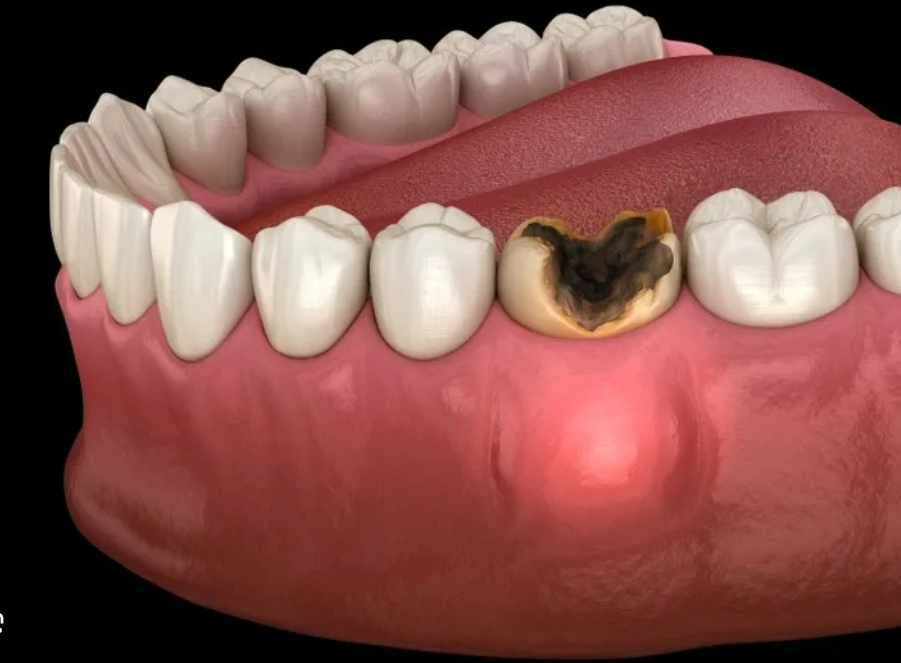
A tooth abscess is an encapsulated collection of pus resulting from bacterial infection. It often presents as:
A red, swollen bump on the gum line
A pimple-like formation near the affected tooth
Deep, persistent pain aggravated by chewing or pressure
Types of Abscess
Dental professionals classify abscesses by their location:
Periapical abscess: at the tip of the tooth root, usually resulting from untreated decay
Periodontal abscess: in the gum tissue beside a tooth root, often associated with gum disease
Periodontal abscesses are the third most frequent dental emergency, requiring immediate intervention due to their rapid onset of pain and potential to destroy periodontal tissues .
Common Causes
Bacteria can infiltrate your tooth through:
Untreated tooth decay or cavities
Cracked or chipped teeth
Failed dental work such as crowns or fillings
Advanced gum disease creating deep periodontal pockets
Without professional intervention, an abscessed tooth will not heal on its own. The pulp may die and temporarily mask pain, but bacteria continue damaging surrounding tissue .
Recognizing Emergency Signs
Not every toothache requires emergency care, but certain symptoms signal that you need immediate attention. The World Health Organization (WHO) defines urgent or emergency oral healthcare as interventions vital for preserving oral function, managing severe pain, or securing quality of life—including care that addresses acute oral infections, swelling, and systemic infection .
Severe, Persistent Pain
An infected tooth typically causes relentless, throbbing pain that does not improve with over-the-counter pain relievers. If discomfort prevents you from sleeping, eating, or concentrating, seek help immediately.
Facial Swelling
Swelling around the jaw, cheek, or eye indicates the abscess has expanded beyond the tooth. If swelling spreads toward your neck or causes difficulty breathing, this is a medical emergency requiring immediate hospital care .
Fever and Systemic Symptoms
Fever, chills, and swollen lymph nodes in your neck or under your jaw signal that infection has entered your bloodstream. According to the British Dental Journal, odontogenic infections can lead to sepsis—a potentially life-threatening condition caused by the body's abnormal immune response that can result in tissue damage, organ failure, and death .
Difficulty Breathing or Swallowing
When infection impedes breathing or swallowing, you face a life-threatening situation requiring immediate emergency intervention .
Managing Pain Promptly
Rapid pain relief is the first priority in infected tooth emergency care. Your options depend on symptom severity and timing.
Emergency Department Care
If your abscess causes severe facial swelling or threatens your airway, the emergency department can stabilize your condition. Emergency physicians can provide:
Intravenous or oral antibiotics to control infection spread
Strong pain medication for acute relief
Referral to a dentist for definitive treatment
However, hospital emergency rooms generally do not perform dental procedures such as drainage or root canal therapy.
Urgent Care Alternatives
When you cannot reach your dentist after hours, urgent care clinics offer a suitable substitute. They can prescribe antibiotics, administer pain management injections, and perform basic incision and drainage in some cases.
Emergency Procedures Explained
Once your pain is under control, our focus shifts to eliminating infection and preserving your oral health.
Antibiotics and Medications
The WHO released The WHO AWaRe (Access, Watch, Reserve) Antibiotic Book in 2022 to provide evidence-based guidance on antibiotic use, addressing the growing threat of antibiotic resistance that could cause up to 10 million deaths annually by 2050 . The publication includes specific guidance on oral and dental infections, developed with input from the FDI World Dental Federation, to ensure appropriate antibiotic use for dental conditions .
Commonly prescribed antibiotics include penicillin or amoxicillin, sometimes combined with metronidazole. Pain is managed with nonsteroidal anti-inflammatory drugs (NSAIDs) or stronger analgesics as needed.
Abscess Drainage
Draining the pus pocket is often the fastest way to relieve pressure and pain. Current literature confirms that prompt surgical intervention is mandatory, with surgical decompression through incision and drainage as the cornerstone of treatment . Your dentist may perform:
Incision and drainage under local anesthesia
Creation of a small window in the crown to allow pus escape
Emergency Root Canal Therapy
Root canal therapy is often the definitive treatment for saving an infected tooth. The procedure involves:
Accessing the pulp chamber
Removing infected tissue
Disinfecting canals thoroughly
Sealing with biocompatible material
Urgent Tooth Extraction
When a tooth is too damaged to save, extraction becomes necessary. Your dentist will numb the area with local anesthesia or sedation, remove the infected tooth with minimal trauma, and provide comprehensive aftercare instructions.
Research comparing treatment approaches for dental abscesses found that while antibiotic treatment alone may be appropriate in selected cases, admission rates are significantly lower when drainage is performed . This underscores the importance of definitive surgical intervention when possible.
Risks of Delaying Treatment
Putting off treatment for an infected tooth can have serious, even fatal, consequences.
Spread of Infection
Odontogenic infections can spread along fascial planes into adjacent anatomical spaces or through lymphatic vessels and veins, resulting in life-threatening situations . The infection may extend into:
Jawbone and facial tissues, causing cellulitis
Submandibular and sublingual spaces, leading to Ludwig's angina—a potentially fatal condition that can block airways
Deep neck spaces, creating breathing emergencies
Systemic Complications
If bacteria enter your bloodstream, you risk:
Sepsis, a potentially fatal whole-body response to infection
Endocarditis, infection of heart valves
Brain abscesses, which can cause permanent neurological damage
A 2022 review emphasizes that improper or delayed treatment entails avoidable burdens on the healthcare system and can lead to fatal outcomes .
Post-Emergency Care and Prevention
After your emergency procedure, diligent aftercare and preventive strategies ensure complete recovery and protect against future infections.
Home Care Guidelines
Rinse with warm saltwater several times daily to reduce swelling
Take antibiotics and pain medication exactly as prescribed
Apply cold compresses to the cheek for the first 24 hours
Avoid hard or chewy foods until healing is complete
Follow-Up Visits
Schedule follow-up appointments to complete root canal therapy or restoration work, monitor healing, and discuss replacement options if extraction was necessary. If you notice any return of pain, swelling, or fever, contact us immediately.
Preventive Strategies
The World Health Organization's South-East Asia Regional Office has identified poor oral health as an important public health concern, noting that oral cancer is among the top five cancers in the region . To minimize future dental emergencies:
Brush twice daily with fluoride toothpaste and floss once daily
Visit your dentist for check-ups and professional cleanings every six months
Limit sugary foods and drinks, and drink fluoridated water
Replace your toothbrush every three months or when bristles fray
Why Choose The Dentist LTD in Nakuru
When facing a dental emergency, you need a team that combines clinical excellence with compassionate care. At The Dentist LTD, we:
Follow evidence-based guidelines supported by global professional bodies including WHO and FDI
Utilize modern technology for precise diagnosis and comfortable treatment
Maintain strict safety protocols meeting international standards
Provide patient-centered care focused on your comfort and long-term health
Take Action Before It's Too Late
An infected tooth will not resolve on its own. The infection that causes today's discomfort can become tomorrow's life-threatening emergency. Early intervention not only relieves pain but also prevents serious complications, preserves your natural teeth, and protects your overall health.
If you're experiencing symptoms of a dental infection, don't wait. Contact The Dentist LTD in Nakuru immediately for expert emergency care.
If in Naivasha, You can book an appointment by calling +254 719 645 133, emailing thedentistltdnaivasha@gmail.com, or visiting our clinic at Riftview Specialist Centre, Kenyatta Avenue, Naivasha.
.webp?2026-06-01T12%3A52%3A57.931Z)
What Causes Tooth Discoloration? A Complete Guide by The Dentist LTD
Discover what causes tooth discoloration and how to fix it. Expert guide by The Dentist LTD, Nakuru’s trusted dental clinic near me for whitening and care.

Why Dental Checkups Matter After Emergency Treatment
Why dental checkups matter after emergency treatment at The Dentist LTD. Trusted dental clinic near me in Nakuru for follow-ups, healing & preventive care.
Oral Surgery at The Dentist LTD in Nakuru – Expert Care for Complex Needs
Oral surgery at The Dentist LTD in Nakuru. Expert dental surgeons for safe extractions, implants, and advanced oral procedures. Book your visit today.
Oral Cancer: The Silent Epidemic & Why Early Detection Matters
Oral cancer is a silent epidemic. Early detection saves lives & regular screenings are essential for prevention. Visit The Dentist LTD Nakuru for expert help.